
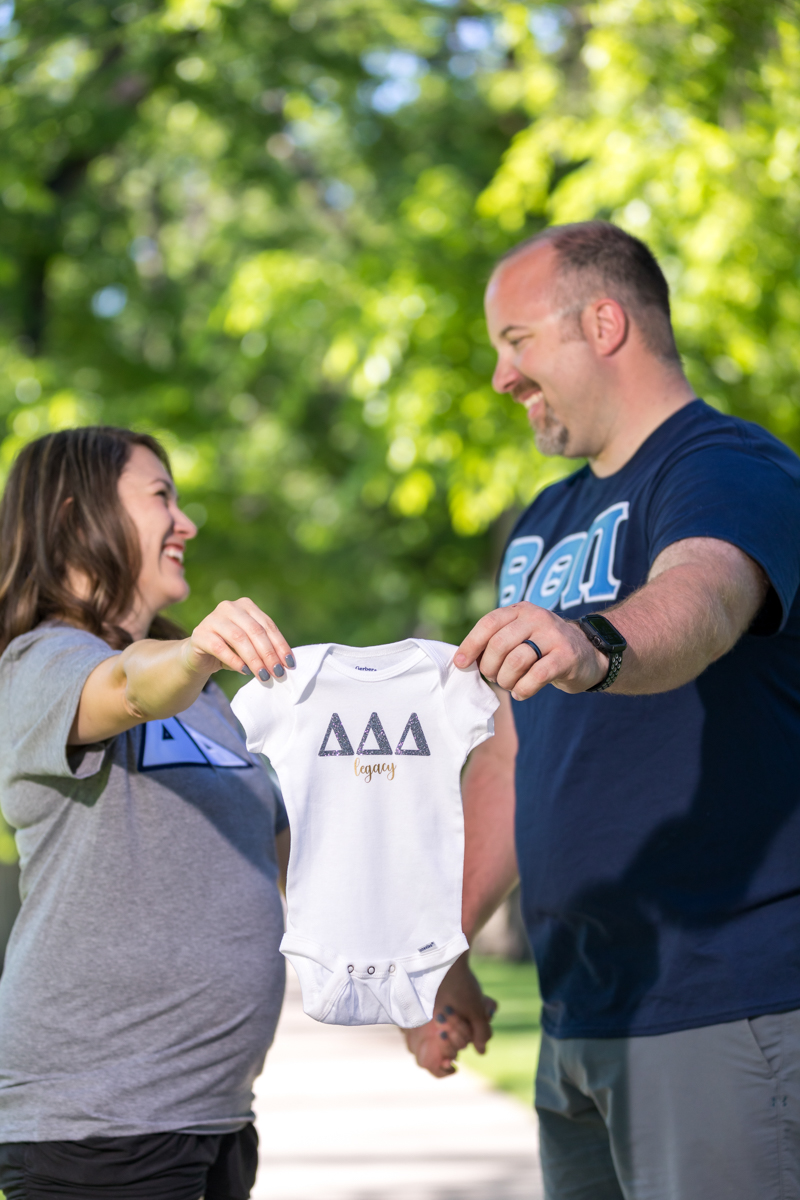
I’ve been quiet over the last several months, but for good reason and if you already follow me on Instagram you know the reason why. I’m excited to share that after five years of unexplained infertility, we are looking forward to welcoming a little girl in November 2021.
Infertility is a crushing, heart-wrenching experience I wouldn’t wish on anyone. The last five years have been a crash course in women’s medicine, teaching me above all else to always advocate for yourself, seek additional opinions, and never to give up. It’s hard to know exactly what made the biggest difference and finally allowed us to become pregnant.
After six unsuccessful iui cycles at two different specialists we decided in December 2020 to move forward with IVF at a third specialist. After being cleared to proceed I was instructed to call the office at my next cycle day 1. Much to our surprise that cycle never came and UNEXPLAINED INFERTILITY….. Miraculously became….. a natural Pregnancy.
While we prepared to move into IVF I took a few months to work on my mental health, attend acupuncture and see what else I could do to better prepare my body for IVF including visiting my primary care doctor to make sure there wasn’t any other hormonal reason I was continuing to struggle with conception. He looked through my cart and immediately asked if any of the specialists I visited previously had provided a diagnosis of PCOS. Based on my bloodwork, he felt it was likely PCOS was a factor in our infertility and recommended trying metformin, the typical PCOS treatment, as a long shot while we waited to start IVF.
During our initial consult with our third reproductive endocrinologist she shared that yes, I definitely have PCOS and I should tell my primary care doctor he was correct. Three weeks later I had my first ever positive pregnancy test. I can’t say for certain that metformin was the reason we finally conceived on our own, but I do know I am grateful to have a doctor who listens and was willing to try a new treatment path.
Over five years I’ve mentally planned a lot of different ways to announce our pregnancy, but now that we’re here I am love how we were able to tell our love story through the arrival of our little one.

Drew and I met in college at Colorado State University in Fort Collins, thanks largely to our shared membership in Greek organizations. Being a member of a Fraternity [yes, women’s organizations can be fraternities as well] is a huge part of who we both are and our experiences are ones we will share with our daughter so she can decide if she wants to continue in Greek Life when she’s in college.
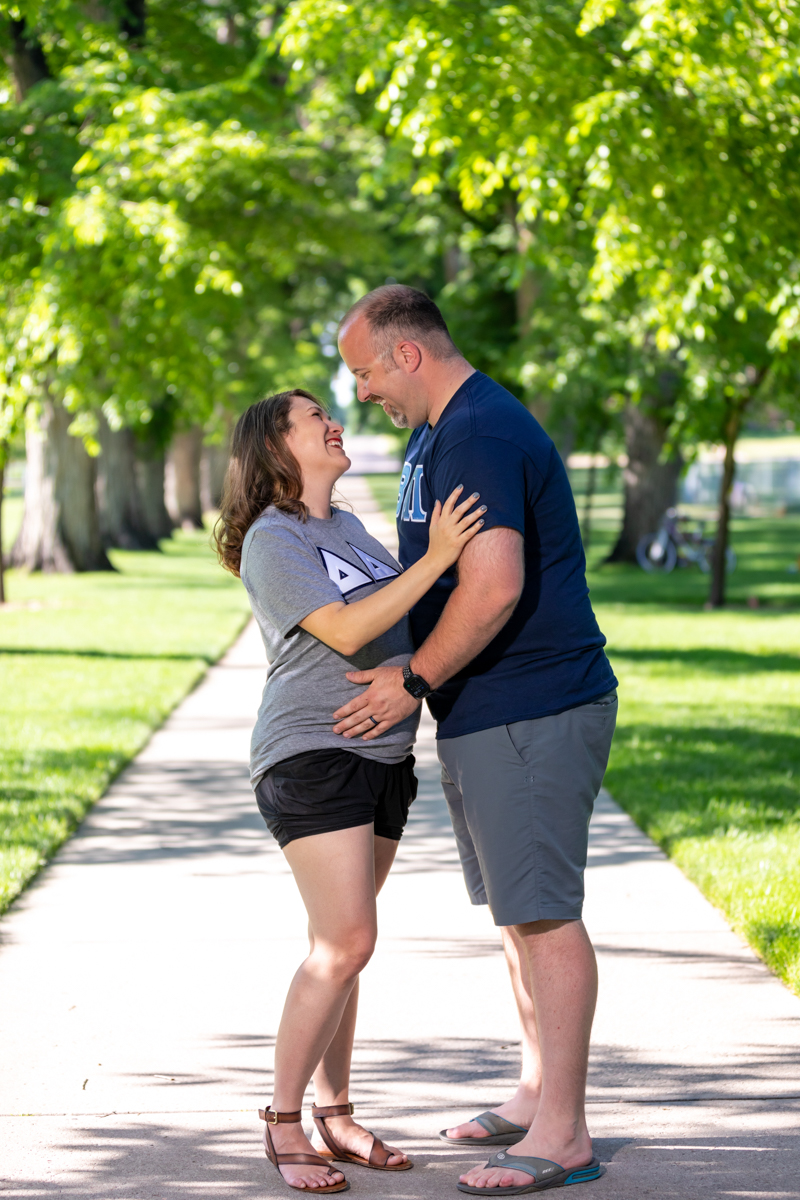
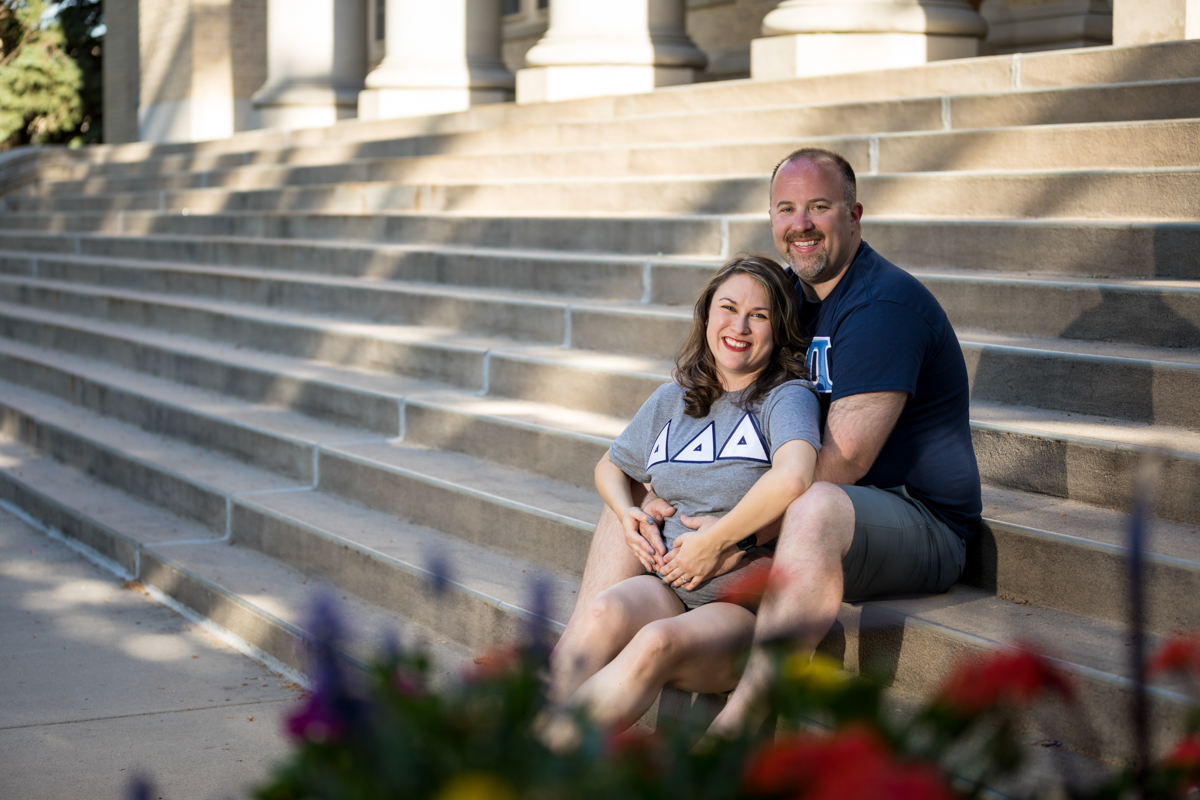
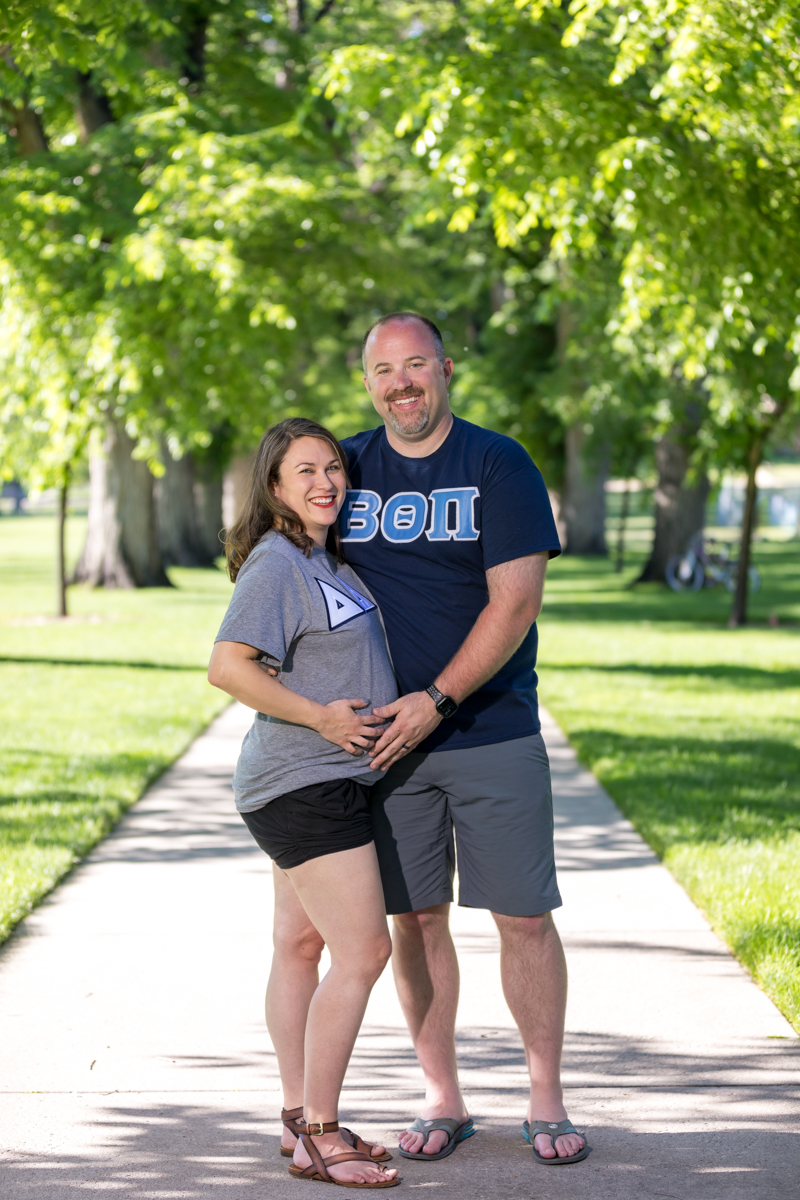
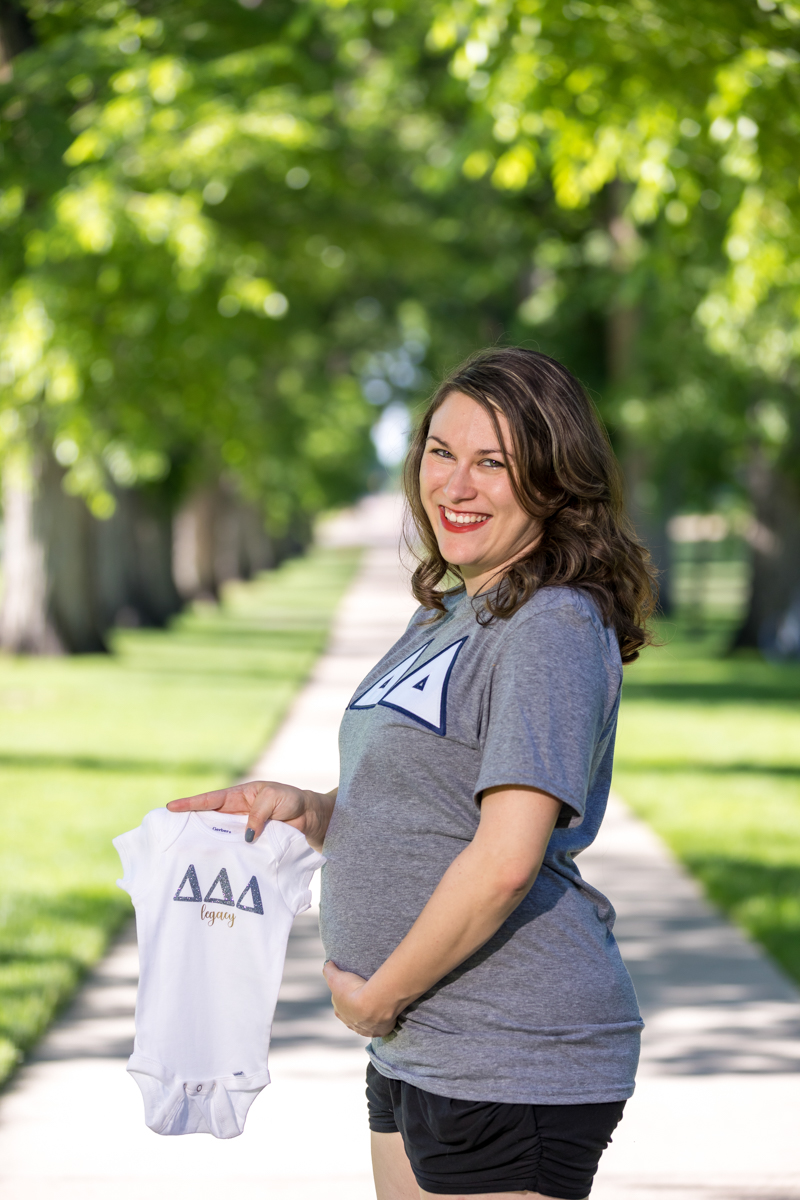
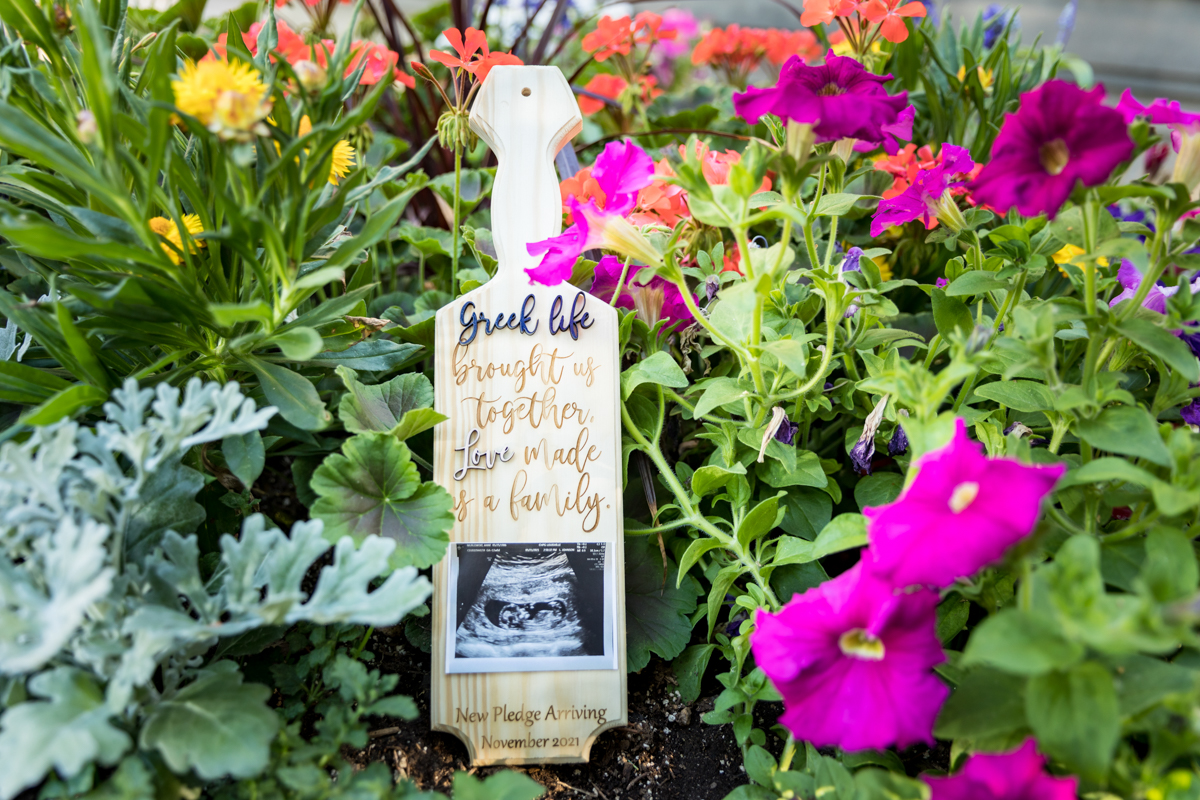
Pregnancy photos by the amazing and talented Amanda at Belle Vie Photography. Amanda was a huge trooper driving all the way up from Denver to take photos with us in the 100+ plus heat! Even with all of us literally melting they came out so amazing!!!
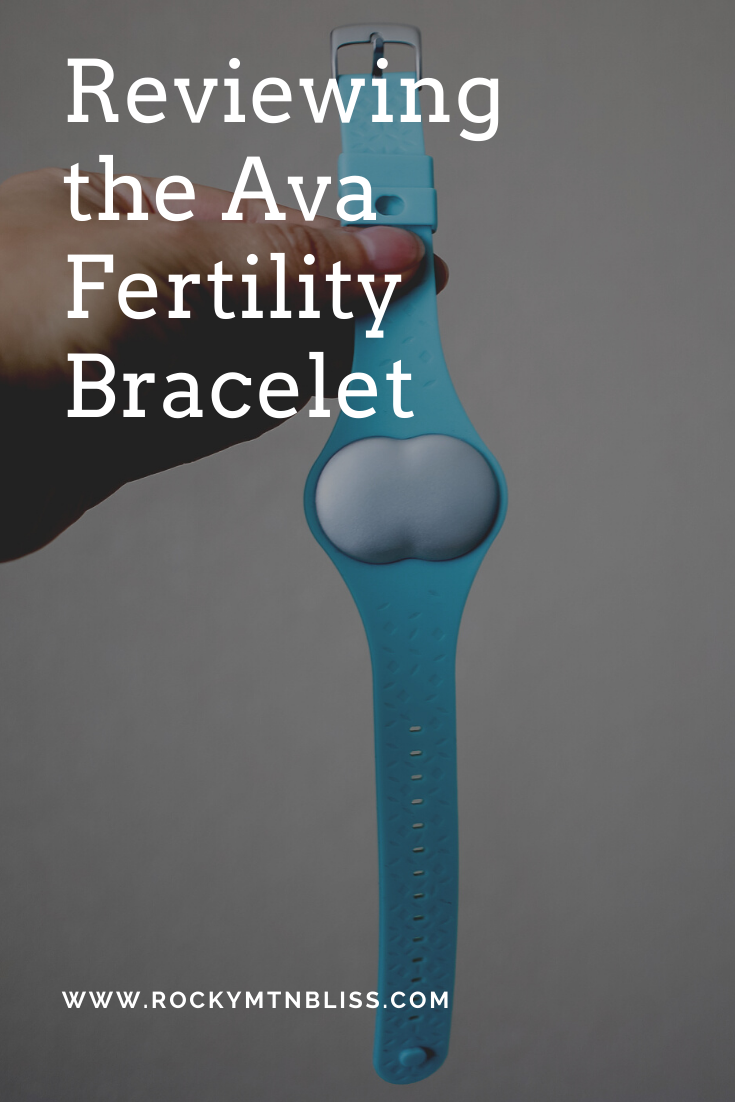
With a cost of nearly $300 it’s not surprising to me that a lot of women want to know how effective the Ava Fertility Bracelet is before they decide to make the purchase. I’ve seen a lot of women looking for feedback and since I’ve been using Ava for a while now, I wanted to put together a quick Ava Fertility Bracelet Review.
I decided to get an Ava after we had been trying for about a year and while I’ve shared where we are in our fertility journey, overall I’ve been very happy with the Ava as a fertility tracking tool.
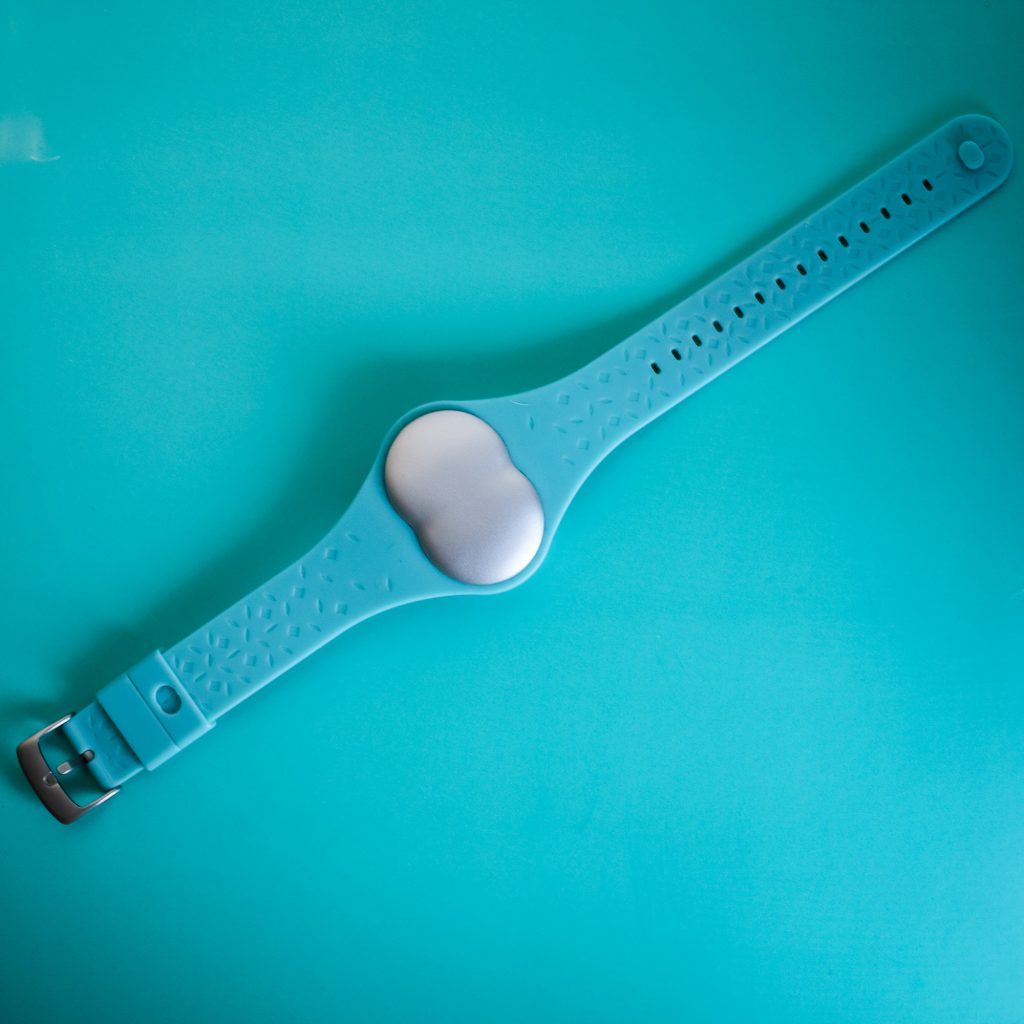
The Ava Fertility Bracelet is worn at night and tracks the 5 physiological signals of fertility. Specifically it tracks skin temperature, resting pulse rate, breathing rate, heart rate and a few other items that are indicators of your health. There are definitely other, more cost effective, ways to track those things but Ava specifically uses those to feed information into their app to provide more comprehensive information about your overall fertility.
Using the data compiled while you sleep Ava provides a six day estimate of your fertile window.
The Lutenizing hormone (LH) increases 24-48 hours prior to ovulation. This surge is what triggers the release of an egg from your ovaries. For just a few dollars per test strip you can easily measure LH throughout the month.
There are a few tricky elements to monitoring LH that I didn’t enjoy through the strip method. Similar to a pregnancy test, the strips go in urine and the low cost options are ones that require starting out by peeing in a cup. As fun as that is to do every day for a two weeks the other complicating factor is knowing how to read the tests.
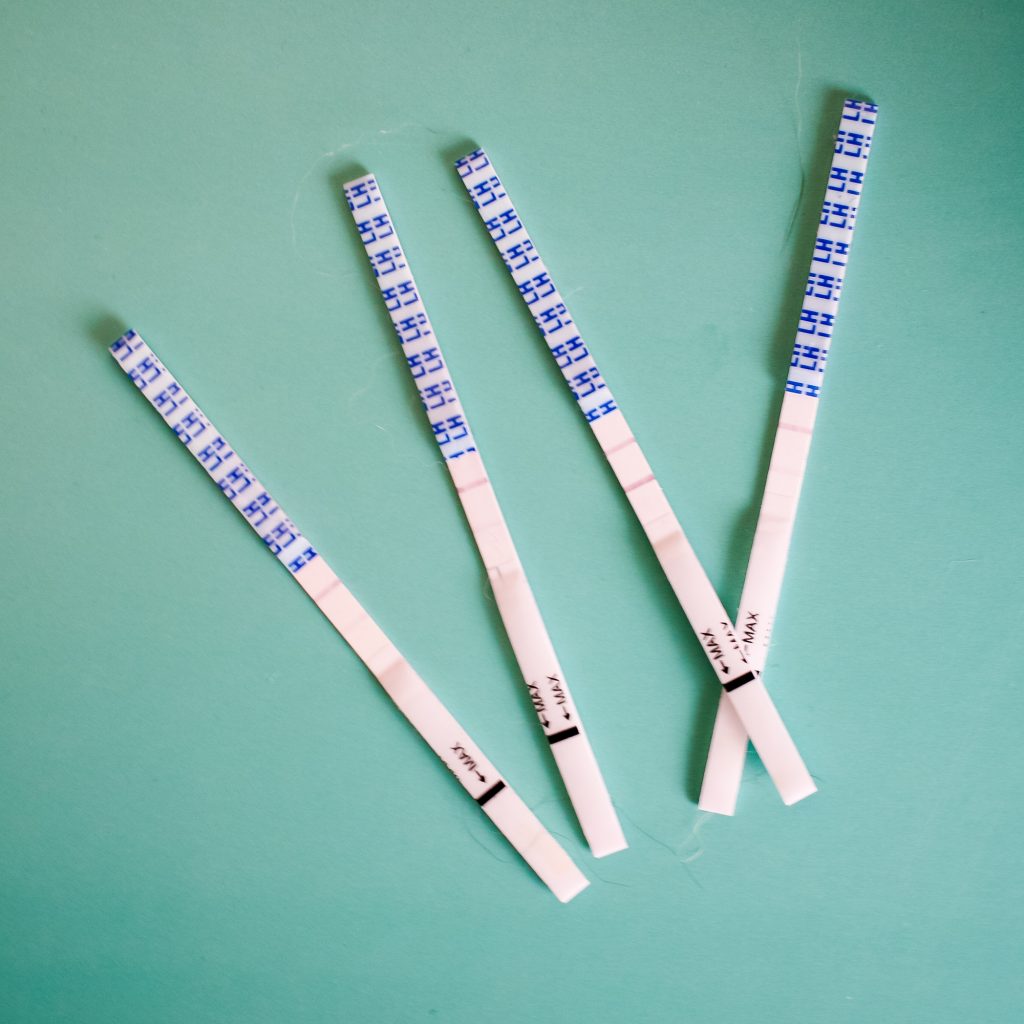
There are two lines that appear on the test and as you get closer to ovulation the second line will become darker and thicker. A positive test is when both lines are ‘close’ the same color. This is literally the biggest pain to read and if you interpret it wrong you have to start all over again next month.
Once you get a positive test you have 24 hours approximately before ovulation. So 1 day notice that its ‘time’ to start trying.
The more expensive electronic tests do the interpretation for you and provide a ‘fool proof’ smiley face when you get a positive. These tests cost around $40 per month to use. If you consider that the average woman takes up to 6 months to get pregnant you’ve already spent $240 just on test strips.
Another method for monitoring fertility is using basal body temperature (BBT). Basal Body Temp is your temperature when the body is fully at rest. Ovulation will cause a small (1/2 degree – 1 degree) change in BBT.
To do BBT monitoring you need a special thermometer that shows to the hundred degree and you need to measure everyday at exactly the same time, without moving or getting up. After you have the temp you need to chart it (there are apps) and when you see a positive change it means ovulation has ALREADY HAPPENED. At that point you’ve completely missed the window and have to start again for next month.
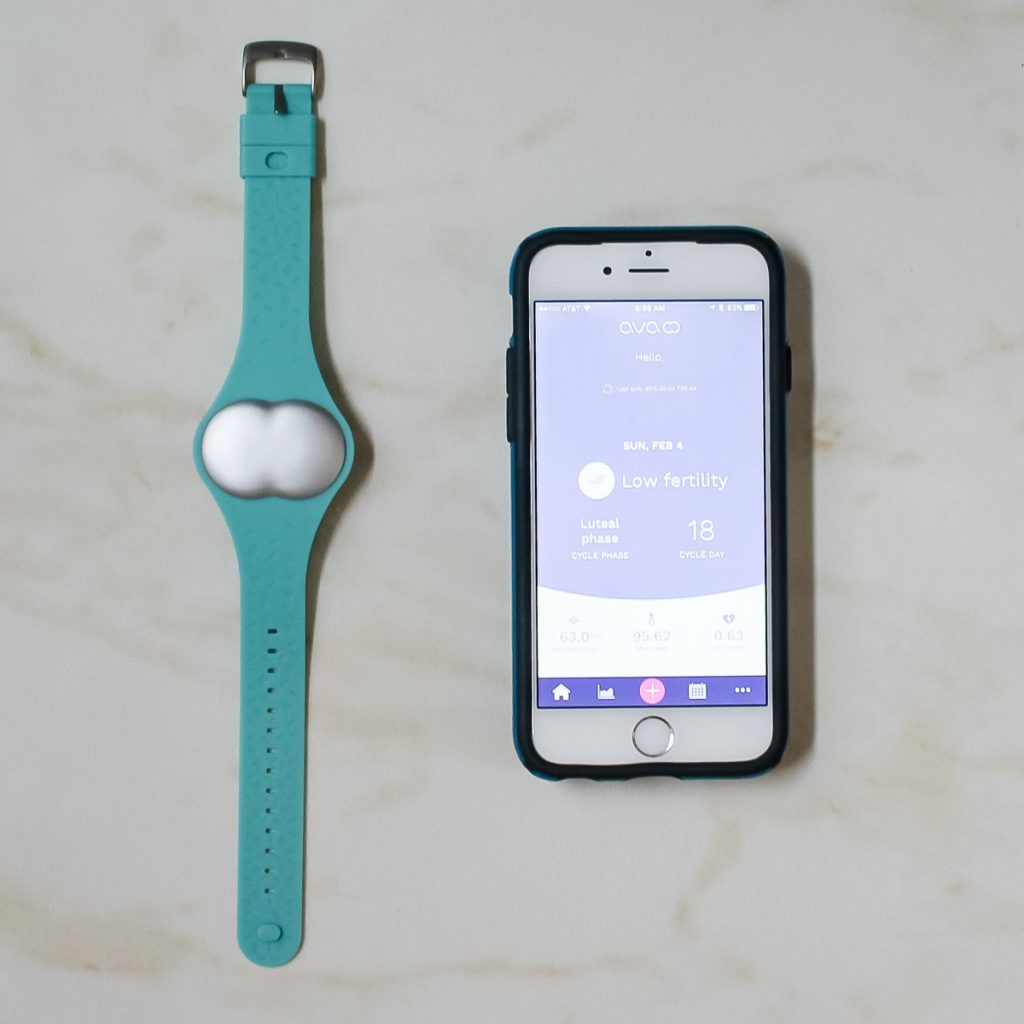
I tried both LH strips and BBT monitoring before getting an Ava Fertility bracelet and honestly I hated the experience. I am not a morning person so BBT was impossible for me to get a consistent reading. LH strips were simply too difficult to interpret and buying the electronic ones is just as expensive as using the Ava fertility tracker, especially when you consider that we’ve been trying to conceive for over three years now.
I love the simplicity of the Ava Fertility tracker. All I have to do is wear it every night and I get a full download of detailed information about how I slept and where I am in my cycle. It updates based on the data provided each day and alerts me when I’m entering my fertile window.
That said, I am one of the people who did not get pregnant after a year of use. That’s not because of the Ava, that’s because I have unexplained infertility. It’s an entirely different reason and Ava works exactly as it is supposed to. I’ve even verified the data my fertility bracelet provides me using LH test strips.
If you’ve already been trying for a while and want to purchase an Ava Fertility Tracker it’s definitely worth it to pay for the 1 year guarantee. Infertility isn’t something a smart monitoring device can control.
My favorite thing about using Ava is being empowered to know whats going on with my body, without having to jump through a ton of hoops and guessing games. With all the pressure related to infertility, testing is the last thing I need to be stressed out. Now that I’m all the way down the infertility testing rabbit hole, I still use the Ava app for monitoring and tracking.
If you are interested in checking out the Ava, head over to their website using my affiliate link. Ava did not sponsor me to write this review, but I will receive a small commission if you choose to buy one using my link.

This post contains affiliate links. Purchasing items through the affiliate link will support this blog.